
I’m a born and raised New Yorker, which means I’ve seen this city through a lot of lenses over the years — as a kid, a teenager, a young professional, and now a new mom figuring out how to get around New York City with a baby in tow.
As someone who doesn’t drive, the city’s transit system has never felt like a compromise. It’s honestly felt like freedom. But that perspective has shifted significantly since having Evie.
I am now wildly more aware of which subway stops have elevators, of people standing on the sidewalk ramps, of the quality of the pavement, of which restaurants can actually accommodate a stroller, and which ones just think they can. The city I’ve known my entire life looks different when navigating it with a baby and a set of wheels.
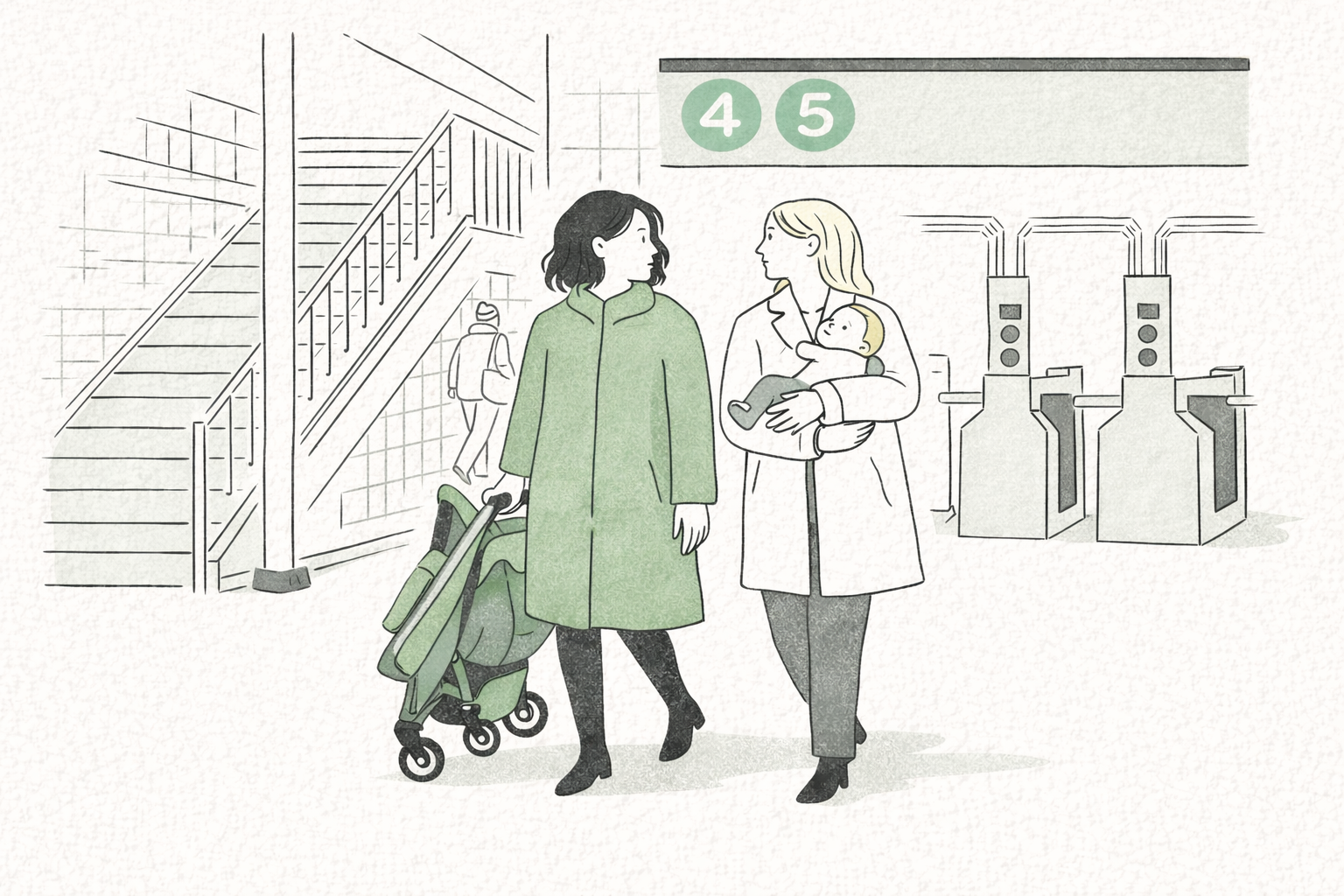
I’ll give an example. We were headed to Brooklyn on a Saturday, getting off at the Nevins Street stop from the 4/5 to snag the latest East Fork mug release. The station had no accessible exit. One of us took Evie out of the stroller. The other folded the Joolz Hub2 and passed it over the turnstile. We carried the stroller up a flight of stairs and carried on with our adventure.
How I would’ve done that without my wife there is an entirely different question.
That moment — unglamorous, improvised, completely unremarkable to any New York parent who’s been doing this longer than us — is probably the most accurate summary of what getting around New York City with a baby actually looks like. You figure out a system. The system gets tested. You adapt.
The first thing to accept: there is no single solution
Before Evie arrived, we assumed one stroller would cover everything — and then we moved through our first year getting around New York City with a baby and realized pretty quickly that this city doesn’t work that way. New York asks a lot of different things of you depending on the day. A late-night dinner reservation needs a different answer than a morning at music class, which needs a different answer than a February blizzard that’s narrowed every sidewalk to a single file.
What we have instead is a system that works for right now, for one baby under one, and it’s: two strollers, a carrier, and a set of informal rules for which one goes out the door.
We’ll be honest about the limits of this system too: it’s going to change. Babies get bigger, seasons shift, and sometimes more kids come along. We don’t have all the answers. What we have is nine months of what’s worked and what hasn’t for getting around New York City with a baby, shared in case it’s useful for wherever you are in a similar journey.
Disclosure: This post contains affiliate links. If you purchase something through one of these links, I may earn a small commission at no extra cost to you. I only recommend products we actually use and love.


The Doona: when a car is part of the plan
We used to make transportation decisions in the moment. If dinner ran late and we didn’t feel like walking, we grabbed a car without giving it a second thought. Having a baby means thinking a few steps ahead, and the Doona is how we think ahead about cars.
The question we ask before any outing is whether there’s a realistic chance we’ll need a car, because if the answer is yes, the Doona is the one that goes by the door. If dinner starts at 7pm on the Upper West Side and we live in Midtown East, we’re not taking the baby on the subway at 10pm, and we’re not walking home in the dark. So we bring the Doona — it’s a car seat that converts into a stroller in one motion, and the decision to grab a cab at the end of the night becomes completely frictionless.
We view it as a transit tool more than a stroller, and we use it that way. We don’t love Evie napping in it for long stretches, and we wouldn’t reach for it on a day where we planned to walk and explore for a few hours. But for getting her safely into a car and back out again, nothing else comes close.
Something to note: the Doona has a lifespan. We got ours second hand knowing Evie will outgrow it, and when she does we’ll be rethinking this whole system. We don’t have that answer yet, but we’ll share it when we do.

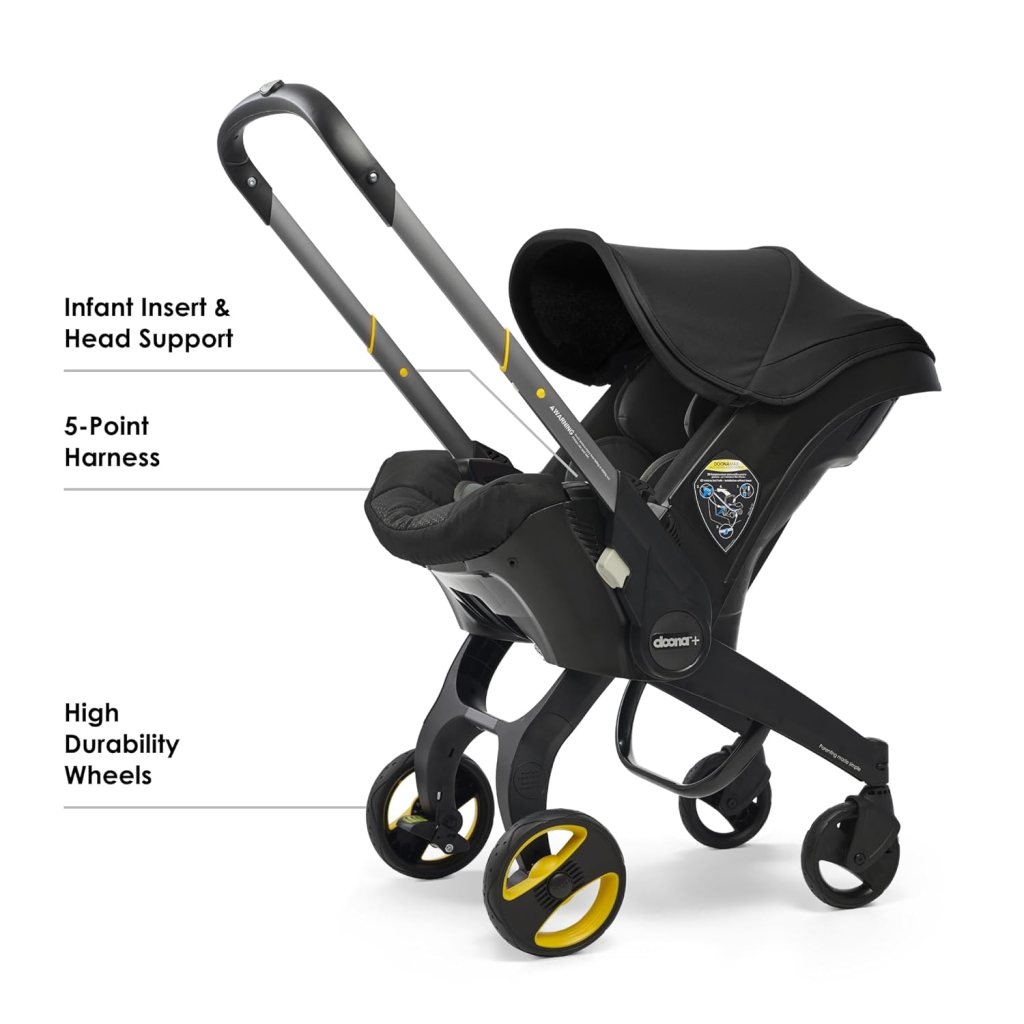
The Doona+ Carseat Stroller
The Joolz Hub2: our everyday city stroller
The Joolz Hub2 goes with us almost everywhere else — mom group, music class, friends’ apartments, long walks, the subway, the bus, and soon the ferry when the weather allows. After nine months, we’ve come to understand that a compact city stroller isn’t a compromise. It’s actually the right tool for this specific life.
We’ve taken it on the subway and the bus more times than we can count and rarely need to fold it, which is one of the things we love most about it. It fits through doors, onto elevators, and between restaurant tables without requiring a full production. We don’t have a UPPAbaby Vista as our daily driver, nor do we exclusively use our Joolz Aer+ travel stroller, though plenty of New Yorkers do. What we have is one stroller that handles the subway, the bus, the grocery store, and brunch without drama.
City life in practice: restaurants and grocery runs
This past winter was when we really understood what we had — pushing it through The Smith, Upland, Mama Mezze, and Sarabeth’s, navigating between tables and coat racks and the general chaos of a full New York restaurant in February, and it never once felt like we were imposing. It fit. Eating out in the city felt manageable.
It handles grocery shopping with the same ease, moving smoothly through the aisles at Trader Joe’s, Lidl, and Whole Foods with enough storage underneath for a real shop. I’ve carried Evie in it up and down subway stairs when the elevator wasn’t an option, and while I won’t pretend that’s seamless, the stroller is light enough, and the bumper bar sturdy enough to grab for support, that it’s very doable alone [I say this as a 5’3″ female]. We keep the BabyBjörn carrier in the basket at all times for when we want the option of wearing her, and that flexibility has made a bigger difference than we expected. You can read more about our choice for a compact stroller here.
One thing worth knowing before you set up any stroller for city life: accessible subway exits exist at many stations, but are rarely where you expect them to be. We check the MTA accessibility map before heading somewhere unfamiliar, and we build in at least 15 extra minutes whenever we’re navigating a new station. More on the accessibility resources we actually use later in this post.


Joolz Hub2 Compact Stroller
A note on the bassinet: don’t skip it

Joolz Hub2 with cot
When we set up the Joolz Hub2, we assumed the infant-compatible seat would work from day one. It did not. The recline wasn’t deep enough for a newborn and getting a small baby in and out of it was awkward in a way we hadn’t anticipated. Do yourself a favor and get the Joolz Hub2 Cot [bassinet] attachment if you’re spending real time out in the city with a young baby. It made putting Evie in and out so much easier in those early months, and because she could lie flat, she napped well in it also, which meant we could actually stay out for a few hours without everything revolving around getting home for sleep.
Since Evie was a summer baby, we spent a lot of time outside in it with the vents open and a small fan attachment running. In the fall, we added blankets and she stayed warm without overheating. She was on the smaller side so we were able to use it for longer than average, and honestly, the day she grew out of it was a bittersweet one. It marked in real time how much she’d grown… but it also meant entering the era of the five-point harness and buckling her in every single time we left the house. Which is exactly when we started paying attention to footmuffs.
The 7AM Enfant footmuff: a New York winter essential
Once Evie moved into the stroller seat, we understood immediately why every kid in the city seems to be zipped into one of these. Blankets fall off. Snowsuits are their own challenge to get a baby in and out of. The footmuff solves both problems — it attaches to the stroller, she goes in, and we go. We did a lot of research before landing on the 7AM Enfant and it’s been exactly right for a New York winter: warm without being too bulky, well-made, and easy to zip in and out of quickly on the street and it grows with your baby until their toddler years. One of those products we wished we’d known about from the beginning. Pair it with some 7AM Enfant handmuffs and you’re good to tackle the worst an NYC winter can throw at you.
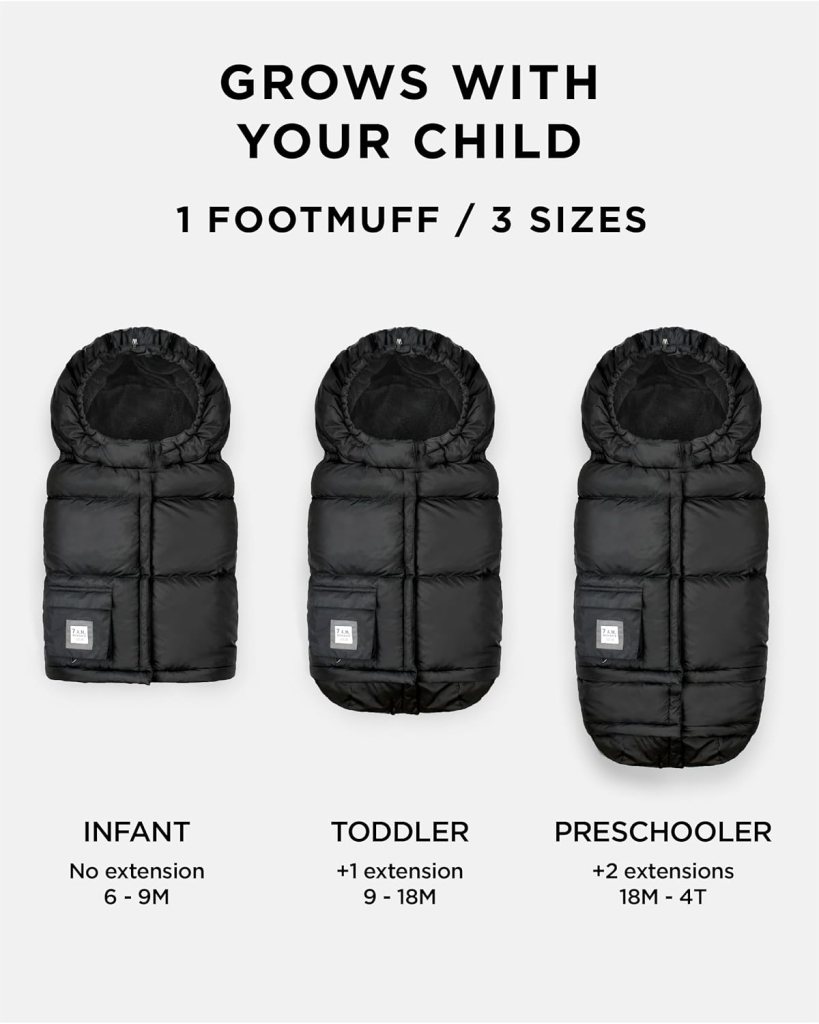

7AM Enfant footmuff | 7AM Enfant handmuffs
The carrier: our third option
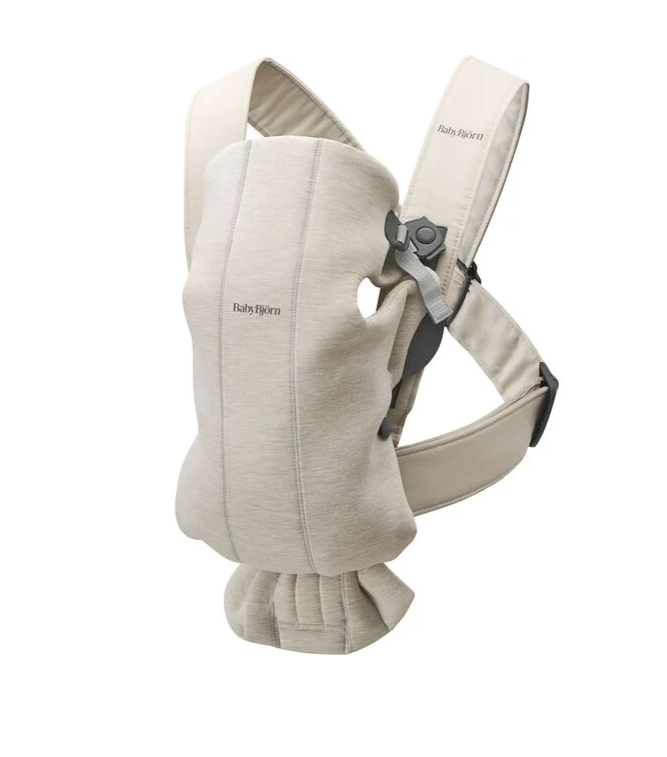
The BabyBjörn Baby Carrier Mini in Light Beige 3D Jersey lives in the basket of the Joolz most of the time. We reach for it when we want her close and our arms free — a long lunch where she might fall asleep, a crowded place where the stroller would be more stress than it’s worth, a quick local errand where we genuinely don’t need wheels.
One thing worth passing on: the carrier you choose matters more than people say, and season, baby size and parent body type are part of that decision. We were gifted a heavier, darker BabyBjörn carrier from a friend whose baby was born in winter. For a summer baby in New York, it was too much. The 3D Jersey material and lighter color made a real difference on hot days. For a bigger baby, you may want something with more support around your hips/waist. That’s a longer conversation for another post, but the short version is: don’t just take whatever carrier someone hands you without thinking about when your baby arrives and what you’ll actually need it to do.
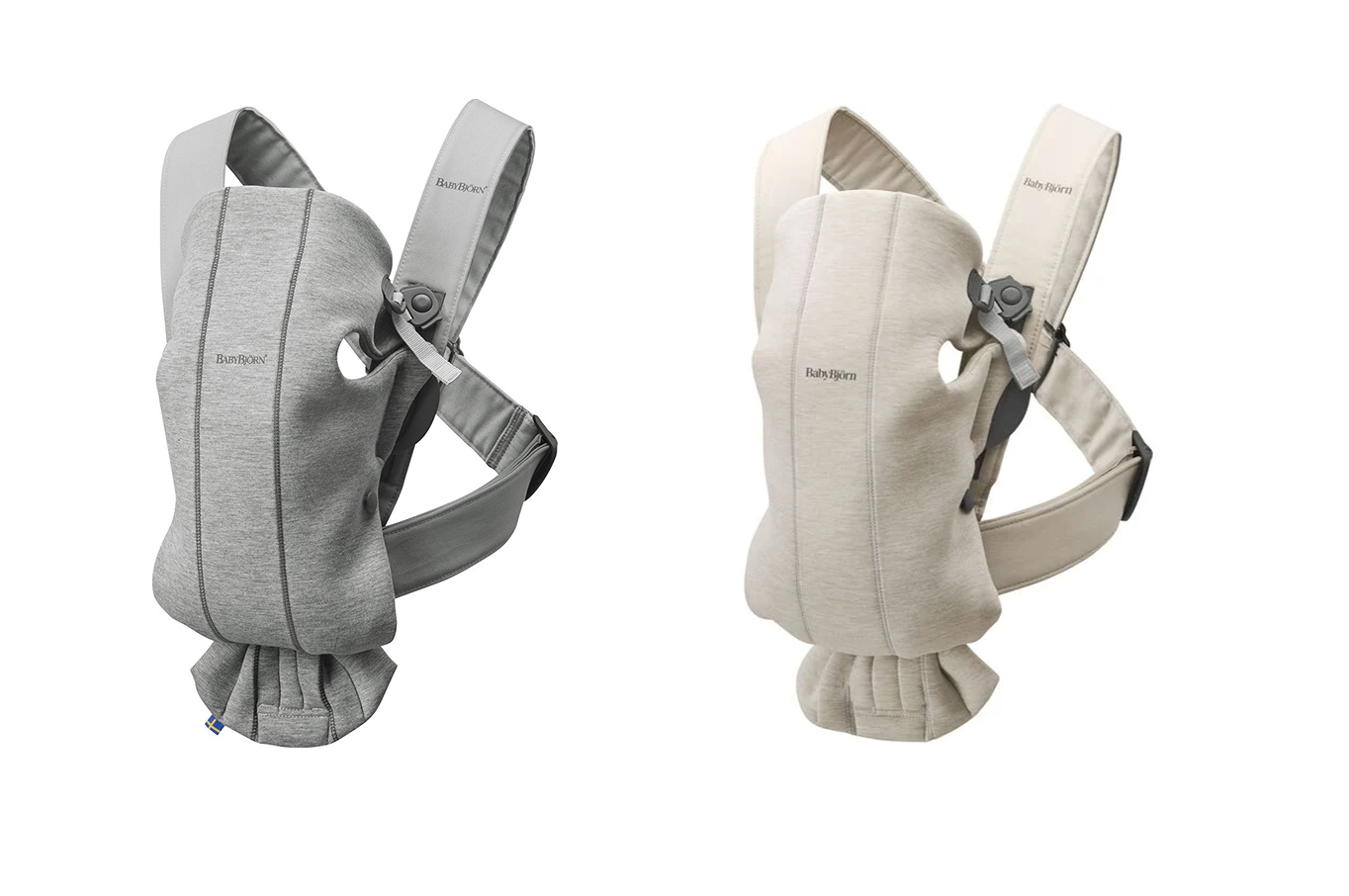
BabyBjörn Baby Carrier Mini
The diaper bag: it has to work as a real bag
The Skip Hop Forma Backpack in Sage goes on every outing. It works in the basket, on the stroller handles, or on our backs. It has enough organization to keep us from digging for things on a moving subway car, and the thoughtful compartments include a dedicated section for our Pronto Signature Changing Station, which keeps the whole setup looking intentional rather than chaotic. We get a lot of compliments on it.
Honest caveat: it does read as a diaper bag, and if I were buying it today I’d probably lean toward something that passes even more seamlessly as a regular bag. Skip Hop recently released a new version, the Skip Hop Luna Backpack, with a cleaner, less obviously baby-gear aesthetic that I’d look at. But what matters most is that it holds everything we need, it’s functional in a very thoughtful way, and fits easily in our stroller basket.
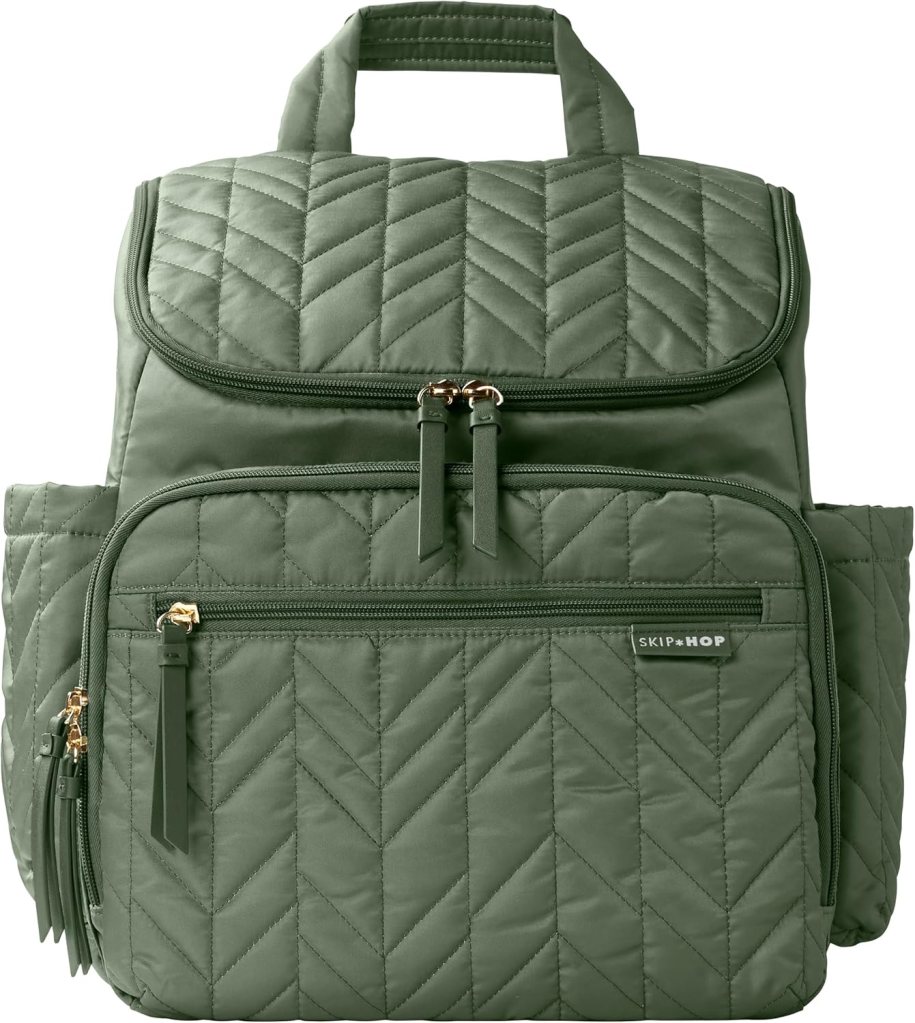
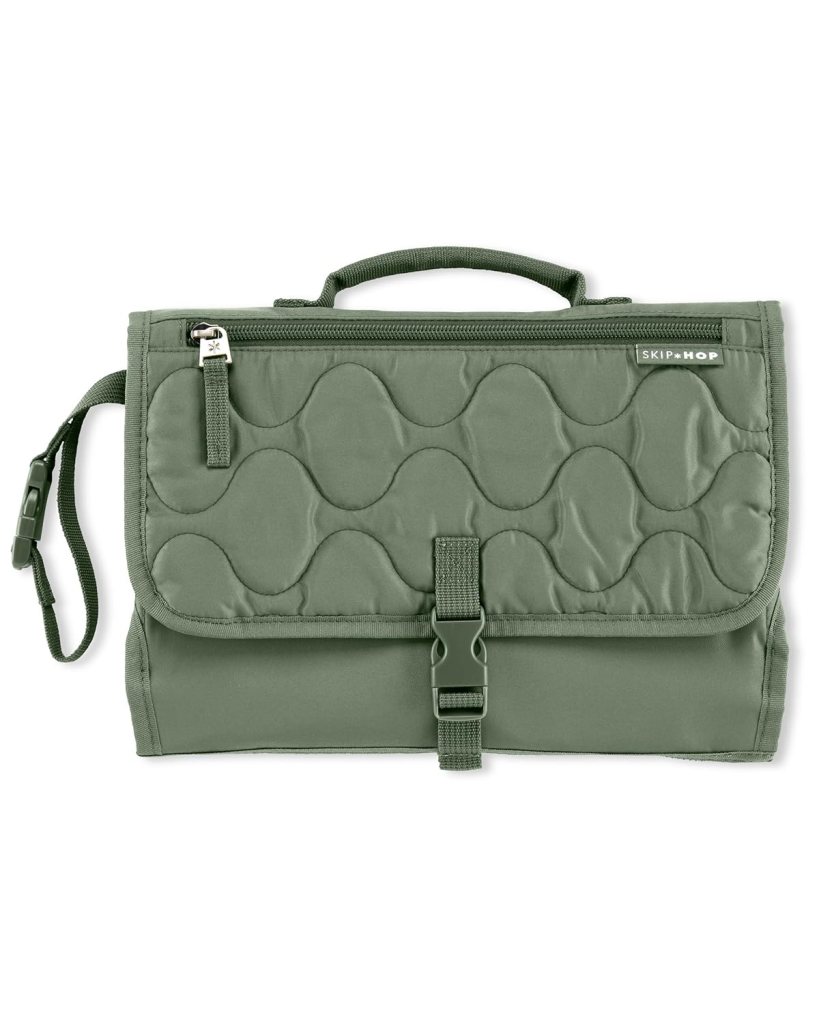
Skip Hop Forma Backpack | Pronto Signature Changing Station
Getting around New York City with a baby: what we’ve actually learned
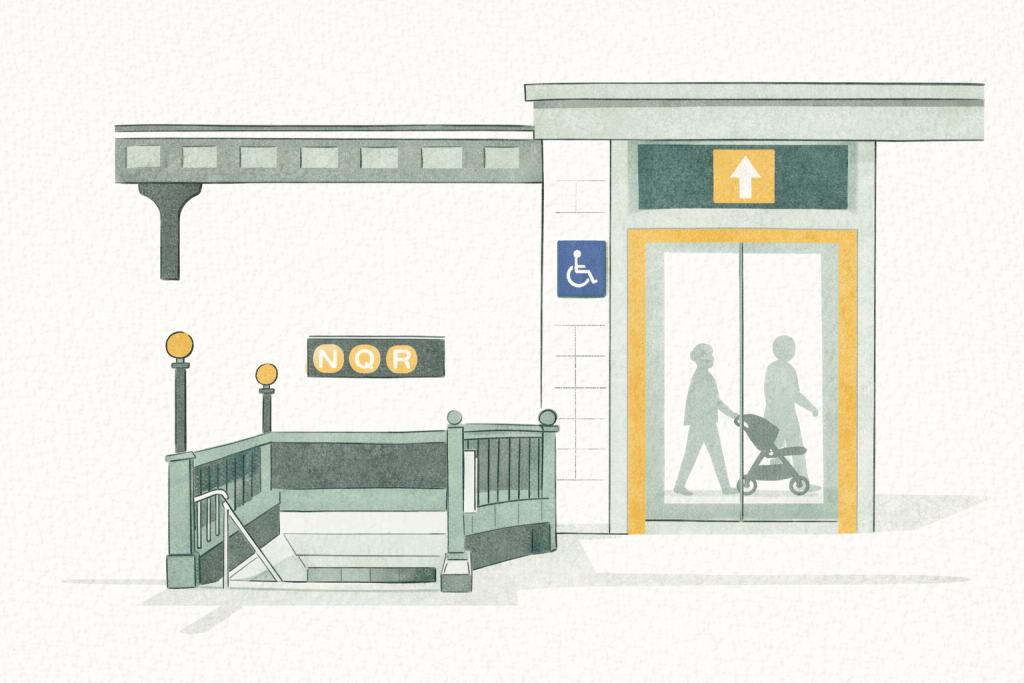
The stroller system is the gear side of getting around New York City with a baby. The knowledge side takes longer to build, and most of it nobody tells you in advance.
The subway: elevators, AutoGates, and the accessibility map
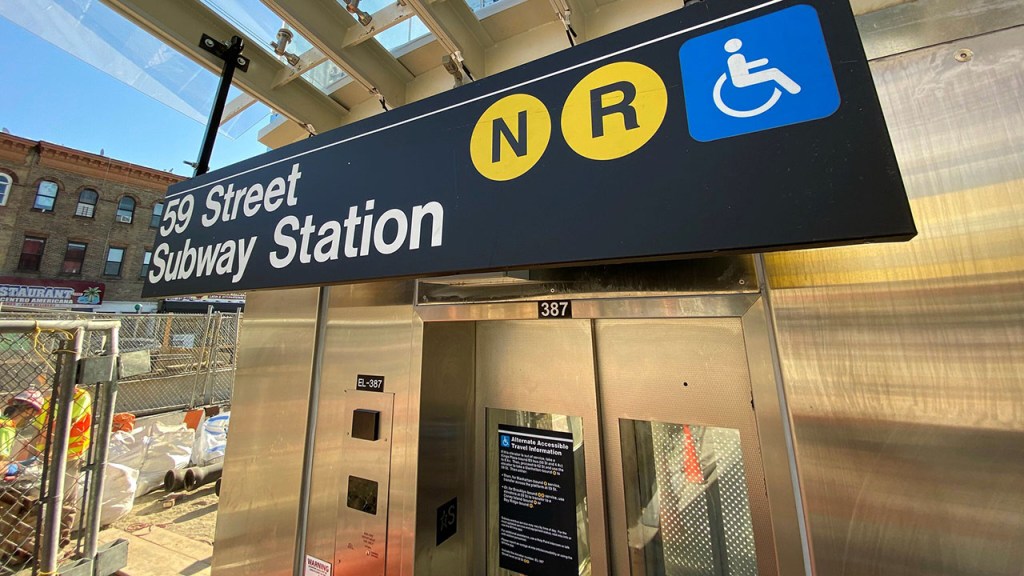
The subway is where most of the learning about getting around New York City with a baby actually happens. Before Evie, we never thought about which subway stations had elevators. Now it’s one of the first things we check before going somewhere new. The MTA publishes a full list of accessible stations, and we refer to it regularly — but the more useful bookmark day-to-day is the elevator and escalator status page, because a station being listed as accessible doesn’t mean the elevator is working that day. We’ve shown up to stations with a perfectly functional elevator on the map and found an out-of-service sign. Check both before you leave, and build in at least fifteen extra minutes any time you’re navigating a station you don’t know well.
At accessible stations, look for the International Symbol of Accessibility and follow the signs. These will lead you to elevators, ideal boarding areas, and AutoGates. Many stations have an AutoGate — a wider entry and exit gate specifically for strollers, wheelchairs, bikes, and anything else that won’t fit through a turnstile. You don’t need to fold the stroller or pass it over anything. You just go through.
Useful links:
- List of MTA Accessible Stations
- Elevator and Escalator Status — check this the day of!
- NYC Accessible Subway Map


The bus: more baby-friendly than you’d think
The bus is genuinely underrated for stroller use in New York and we don’t hear enough parents talking about it. Most MTA buses kneel at the stop to make boarding easier, and there are designated stroller sections where you don’t need to fold. Once you’re on, lock the stroller — the brakes exist for a reason and a bus stopping suddenly is no joke. We’ve found the bus to be less stressful than the subway on days when we’re not in a rush and the route works. And Evie loves the view from the window.

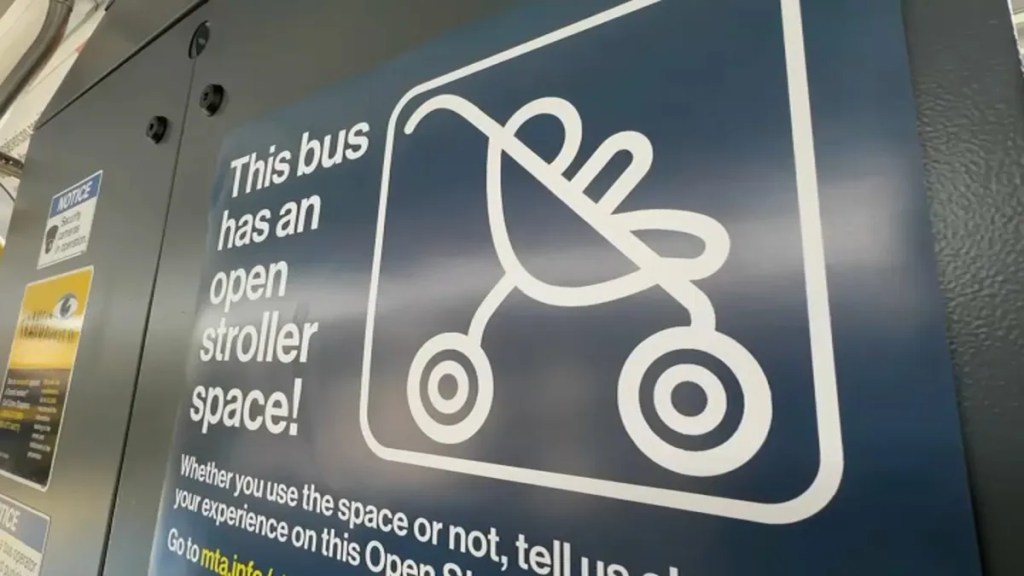
Look for the stroller icon on MTA buses
Cars: the app features worth knowing
Both Lyft and Uber have an option to request a car that already has a car seat installed — which means you don’t need to bring your own. It takes a little longer to get a driver and costs slightly more, but for any trip where you need a car and don’t have a car seat with you, it’s the option that makes that possible. This is likely how we’ll use car services once Evie outgrows the Doona.

Restaurants: do your homework first
Nine months into getting around New York City with a baby, we’ve learned to do a quick check before going anywhere new with the stroller. Some restaurants genuinely accommodate strollers and some just think they do until you arrive and realize there’s no way to get past the host stand. Outdoor seating in warmer months almost always works, but it’s worth calling ahead in winter to ask about space. Some restaurants will ask you to coat-check the stroller once your baby can sit in a high chair, which is reasonable and worth knowing in advance rather than being surprised at the door. The Smith, Hole in the Wall, Upland, Mama Mezze, and Sarabeth’s have all worked well for us as both child and stroller-friendly options.
Considering the snow
February in New York with a baby is its own category of experience. The sidewalks narrow to single file, snowbanks appear at every corner, and the stroller becomes both harder and more necessary at the same time.
It might seem like strapping the baby in a carrier is the easier call when there’s a foot of snow on the ground and the stroller feels like one more thing to manage. We thought the same thing. What we learned is that a stroller is actually more stable in snow than a person carrying a baby — the risk of slipping is real, and having your hands free doesn’t help much if your footing isn’t. The Joolz is light enough to lift over snowbanks when necessary and sturdy enough to push through slush, and keeping Evie in it during bad weather turned out to be the safer and easier choice. We know this now. We wish we’d known it sooner.
Buildings and alternative entrances
This one sounds small, but is actually one of the most useful things we know. Our own building has a ramp to the main entrance, but the lobby has two steps to get to the elevator bank, so we use the service entrance ramp that bypasses the lobby entirely. Almost every building in New York has an alternative entrance if you look for it or ask. Before you assume a place isn’t accessible, ask if there’s another way in. The answer is almost always yes.
What nine months actually taught us
Getting around New York City with a baby is not as hard as it looks from the outside. It requires a system, some gear decisions made with the city’s specific demands in mind, and the willingness to adapt when the plan meets a staircase with no elevator.
The non-NYC parents in our lives are consistently amazed that we do this. The NYC parents in our lives nod along. You adapt faster than you expect. The city is more manageable than its reputation suggests. And the moment you pass a folded stroller over a subway turnstile while your wife holds the baby on the other side, you realize you’ve figured something out that no one else can quite explain to you in advance.
What we use:


Leave a Reply